

For years the conversation brands have been having about packaging sustainability has been mostly about good intentions. What was lacking were actions. Brands made pledges. Roadmaps were published. Progress was measured in percentages and projected timelines.
That was a start and a good one at that. But something significant has shifted in 2026: intention is no longer enough. Measurable action is required. Today, packaging sustainability has entered the age of accountability due to factors such as consumer demand and government regulations at the state level. For brands that have been doing the right things for the right reasons, that’s positive news.
“New regulations leave no room for hiding or delaying compliance, making it crucial for companies to act decisively and strategically. Non-compliance with regulations can result in fines that exceed profit margins, posing a serious threat to business viability.” Packaging Digest
Voluntary goals started the push. Regulations are making it mandatory.
Across the U.S. and Europe, Extended Producer Responsibility (EPR) laws are moving out of the planning phase and into full enforcement. States are expanding their programs, adding material categories, and tying compliance fees directly to packaging weight, material type and recyclability (currently seven states have enacted EPR packaging legislation with New York, New Jersey, Massachusetts, Rhode Island, Tennessee, and Virginia, New Hampshire and Wisconsin pushing EPR legislation forward).
“State‑enacted, packaging‑specific EPR laws are quickly reshaping compliance obligations for companies that manufacture, distribute or sell packaged products.
While municipalities have traditionally managed waste streams, EPR laws fundamentally alter who pays for and manages packaging waste — shifting the financial and operational burden of packaging waste management from local governments and taxpayers to manufacturers, importers and distributors.
Producers [product brands] now bear responsibility for the entire lifecycle of packaging, from production to post‑consumer disposal.” Proskauer
It’s important to note that fees are not “flat.” Instead, the fee structure is based on an “eco-modulated” scale where brands pay more for hard-to-recycle materials such as plastic and less for sustainable or recyclable packaging that uses a material like molded fiber – all of which make EnviroPAK such a positive choice for your brand.
In Europe, fines for non-compliance can reach 4% of total company revenue. That’s making a massive bottom line impact on major brands. This isn’t theoretical pressure anymore. It’s operational. And it’s reshaping the packaging conversation of American-based brands from “what are we working toward?” to “what are we doing right now?”
Accountability. It starts with knowing your packaging materials.
Many brands are discovering a real packaging challenge: they don’t have a clear picture of what material they’re using and where it goes post use. EPR laws require detailed material reporting — how much packaging is used, the material makeup and what happens to it after use.
The measurable aspect of sustainability has far reaching implications. Packaging teams are now being asked for Scope 3 emissions data and end-of-life material information they’ve never tracked before, but are now required to. This reporting is data heavy and requires detailed insights into SKUs, packaging material types and state-specific distribution volumes.
Many companies are still piecing that together their packaging data from disconnected sources. In fact, tracking this supply chain data down to the exact weight per unit is a major blind spot for many brands.
The brands gaining the most ground are the ones who built their data foundation early. They know their packaging materials. And they can forecast compliance costs. It all leads to making better decisions because they have better information. That’s what a good packaging sustainability strategy looks like today.
“The strategic imperative is to act now: 1.) confirm producer status in each relevant state, 2.) complete PRO registrations where available, 3.) begin component-level packaging data, and 4.) adapt design choices to reduce fees and meet recyclability and recycled content expectations.” Adams & Reese
Design for good, not just for aesthetics.
Accountability is also changing how sustainable packaging is designed from the start. At EnviroPAK, we are seeing more and more brands shifting toward “recyclable by design” for their product packaging.
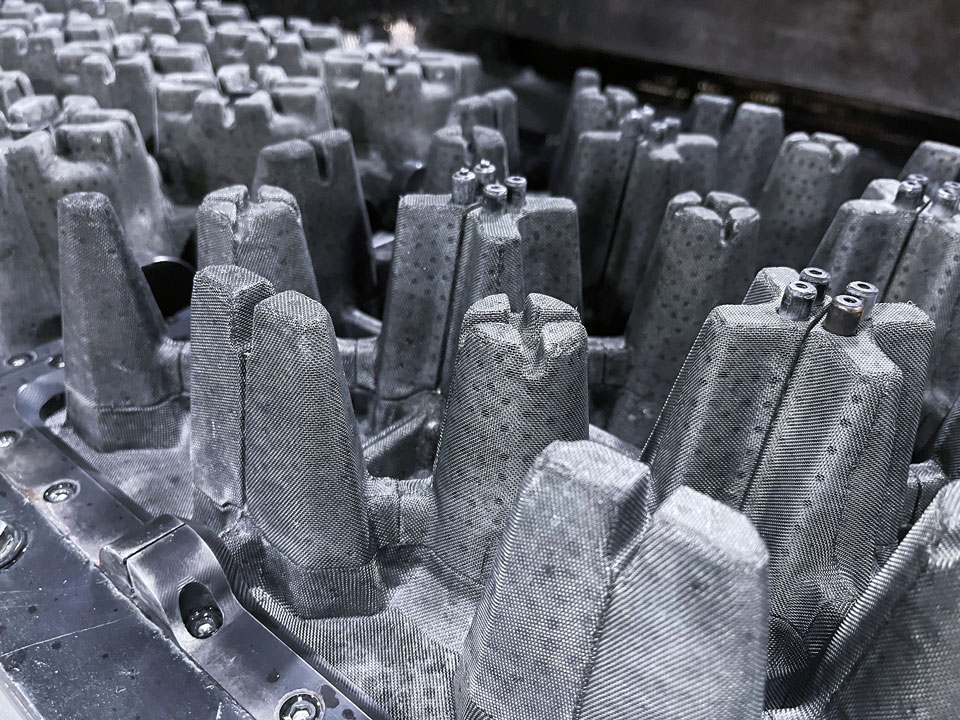
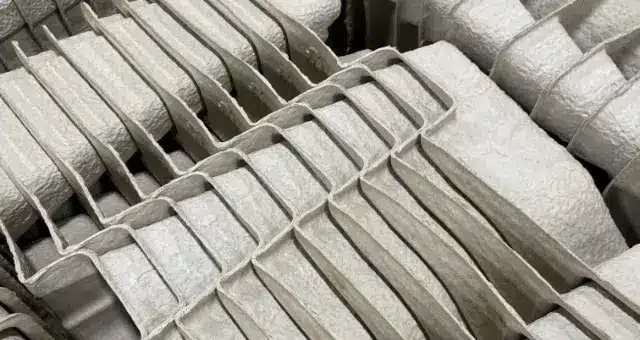
Our custom packing solutions are ideal for this shift since we use biodegradable molded fiber, a sustainable material that moves through existing recycling systems without complicated separation, unlike plastic. Plus, this material has the required protection characteristics required to safeguard even the most fragile products such as glass, electronics and medical devices.
“Waste management experts say the problem with plastic is that it is expensive to collect and sort. There are now thousands of different types of plastic, and none of them can be melted down together. Plastic also degrades after one or two uses. After years of embracing plastic recycling, many environmental groups say they hope the public will finally see plastic for what they say it is — trash — and that people will ask themselves if there is something else they could be using instead.” NPR
Yes, packaging regulations are starting to demand more accountability from brands. It’s a real positive. But this matters beyond compliance. This measurable and proven accountability builds trust with consumers who using a buying microscope to look out for green washing claims.
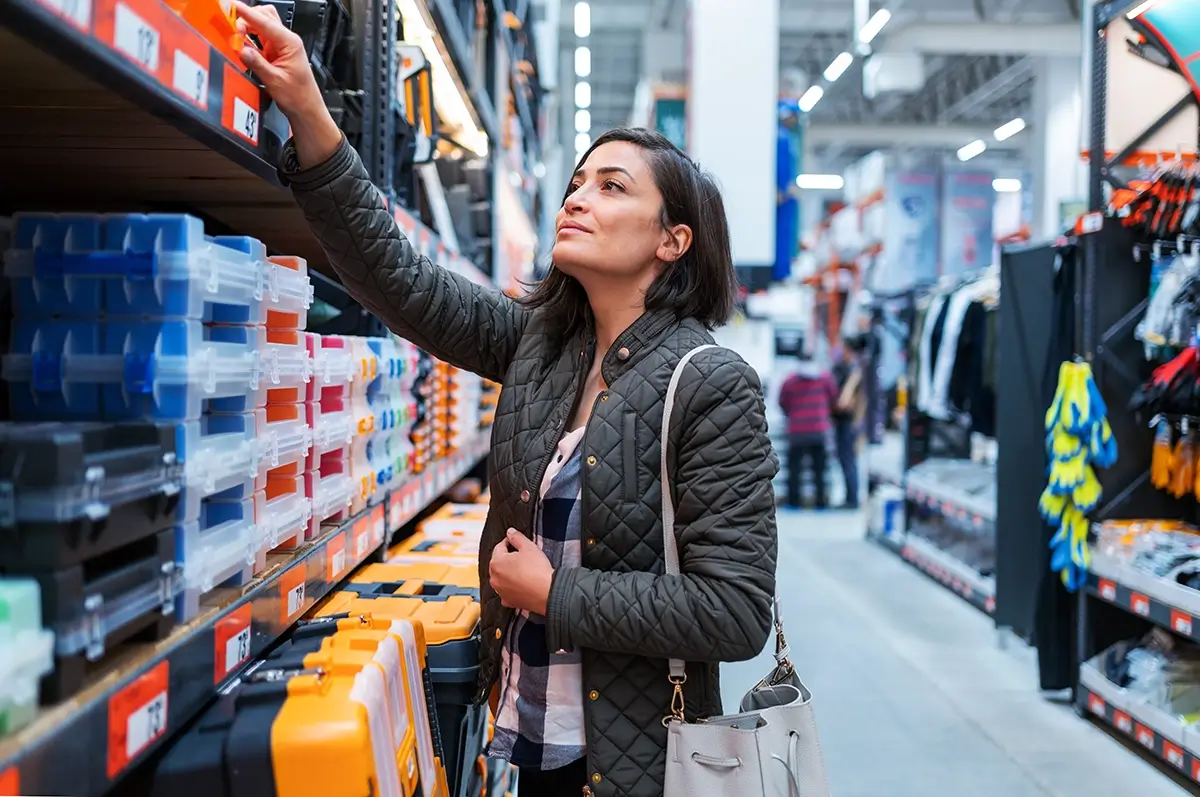
“77% of U.S. consumers consider recyclability extremely or very important when evaluating packaging sustainability. And 38% of consumers globally say they still don’t trust brands’ sustainability claims.” McKinsey & Company
Packaging that is genuinely designed to be recycled — that clearly signals sustainability at the point of purchase — builds the kind of trust that broad, vague eco claims never could.
Sustainability proof is good for brands that are already doing the right thing.
The age of accountability isn’t a threat to brands that have been making sustainable packaging decisions with positive eco-friendly intention. It actually levels the playing field against competitors. When compliance is mandatory and material transparency is required, brands that have already invested in sustainable molded fiber packaging from EnviroPAK, responsible design and honest consumer communication don’t have to scramble. They’re ready.
Accountability rewards good choices and makes it harder for anyone to coast on claims alone. That’s the most positive way to look at what’s happening in packaging right now and where it’s heading for the foreseeable future.
Learn more about why EnviroPAK molded fiber custom packaging is the positive sustainable direction for the environment and your brand sustainability goals in 2026 and beyond. Our custom molded fiber packaging is made from over 3,500 tons of recycled paper yearly and is the ideal sustainable, biodegradable and compostable solution to protect your products and your brand image.