



Every minute in America people throw away enough trash to fill 180 Empire State Buildings. The amount is massive and has resulted in the United States being the world’s largest generator of waste. What makes this even more alarming is that we have less than 5% of the world’s population, but produce over 12% of the Earth’s municipal waste.
“The U.S. landfills are projected to run out of capacity by 2036 and roughly 80% of the items buried in landfills could be recycled. It’s one key factor of many that are pushing Extended Producer Responsibility (EPR) laws forward in a growing number of states in America.”
Forbes, 2025
Extended Producer Responsibility (EPR) is also gaining momentum as both brands and governments alike are initiating a more concerted circular economy push, especially as it applies to product packaging. A recent article in Proskauer reports, “A new era of corporate environmental regulations is emerging as states seek to transition toward circular economy models where materials are reused and recycled rather than discarded.”
EPR and Eco-modulation: Adjusting costs based on environmental performance.
EPR places responsibility on the producer for the environmental responsibility of the end-of-life of their product packaging. Who exactly is the producer? A “producer” is commonly referred to as the brand owner of the product sold in packaging or the packaging itself.
Through EPR legislation, the financial burden of recycling shifts to brands themselves. Companies pay fees to Producer Responsibility Organizations (PROs) according to the volume and category of packaging materials they introduce to the consumer market.
These fees typically incorporate “eco-modulation” – a system that adjusts costs based on factors such as how easily the packaging can be recycled, the percentage of Post-Consumer Recycled (PCR) materials used and various other environmental performance indicators. A variable pricing structure encourages brands, once reliant on plastic, to focus on more environmentally-friendly packaging such as molded fiber.
“Plastic packaging has become a focal point of environmental concern due to issues related to pollution and persistence. Eco-modulation provides a mechanism to address this by disincentivizing the use of problematic or non-recyclable plastics. Higher EPR fees for problematic materials encourage businesses to explore alternative materials.”
Landbell H2 Compliance
Fee structure.
Fee collection is most often handled by Producer Responsibility Organizations (PROs). They will apply eco-modulation criteria set by regulators to reduce or increase fees brands must pay based on the below modifiers. Brands then receive annual invoices based on their packaging volumes and applicable eco-modulation cost factors.
Bonus Modifiers (Fee Reductions)
- High recycled content such as compostable and biodegradable molded fiber
- Easily recyclable or compostable material
- Reduced packaging weight or material optimization
- Elimination of problematic materials or contaminants such as plastic
Malus Modifiers (Fee Increases)
- Difficult-to-recycle multi-material
- Use of virgin materials instead of recycled content
- Presence of non-recyclable packaging
- Excessive packaging or poor design for “circularity”
With an EPR system in place it creates continuous financial incentives for brands to enhance packaging sustainability through the use of materials like molded fiber, while discouraging less responsible material choices such as plastic. What is also required, and adding to the complexity, is the data proof that brands must provide to show that they are meeting specific EPR regulations through material traceability, verification, reporting and other metrics.
“Extended Producer Responsibility (EPR) regulations continue expanding, creating urgent compliance requirements for [ brands ] that must demonstrate detailed material knowledge throughout their product lifecycles. While EPR frameworks vary significantly by [ state ] jurisdiction, one constant remains: the need for comprehensive material traceability that transforms regulatory burden into competitive advantage.
Effective traceability extends beyond traditional bill-of-materials tracking to include: sustainability metadata, recycled content percentages and environmental impact metrics that regulators now routinely audit.”
Compliance and Risks, 2025
Innovation positives of EPR: The rebound effect.
Switching to molded fiber custom packaging from EnviroPAK can greatly decrease your EPR fees compared to plastic. That’s one big positive to think about when considering a switch to this compostable and biodegradable material.
Another factor to think about is that through EPR, brands utilizing packaging material such as molded fiber can prove beyond a doubt to consumers that their product packaging is truly sustainable and environmentally friendly. This helps eliminate greenwashing distrust of buyers as your brand better aligns with an eco-conscious audience.
There’s another advantage often called the “rebound effect”. By utilizing molded fiber packaging material, a brand can drastically lower EPR fees. It opens new financial channels for a greater innovation opportunity and investment – all through the EPR savings from the use of sustainable materials.
“Just like how the savings from lower energy bills can be directed towards other sustainable home projects, the savings in EPR fees can be funneled towards strategic innovations in materials and recycling infrastructure.
Under EPR programs, materials — and their fees — aren’t created equal. These programs use a technique called eco-modulation to essentially grade materials on a curve: the lower the environmental impact, the lower the fee for producers. In practice, this means flexible plastic, for example, often has higher fees than more easily recycled materials.
As these programs launch in [ seven ] states and potentially advance to others, companies can unlock a new opportunity to save on fees, and then reinvest the savings back into more sustainable packaging options. Call it ‘improvement capital’ for lower-carbon materials, more collection programs and smarter sortation technology.”
Trellis, 2025
EPR legislation is gaining momentum.
EPR and eco-modulation is most likely not going away, ever. This environmental protection initiative has been gaining a lot of traction in the past few years. It’s evident with states that are currently taking active steps toward EPR laws, including: Maine, Oregon, Colorado, California, Minnesota, Maryland and Washington.
States developing EPR legislation include: Connecticut, Nebraska, New York, Hawaii and Rhode Island. Plus, Massachusetts, Missouri, New Jersey, New Hampshire, Oregon, Tennessee and Vermont are all in various stages of introducing or discussing EPR-related bills.
Just this past summer, on June 24, 2025, bi-partisan sponsors in Washington D.C. introduced the Recycling and Composting Accountability Act H.R. 4109. If this legislation on Capitol Hill becomes law, H.R. 4109 would require the EPA to conduct a nationwide assessment of the recycling and composting programs in the United States with the goal of using such information to make improvements. In effect, it would bring EPR from just a state-based mandate to a national level law.
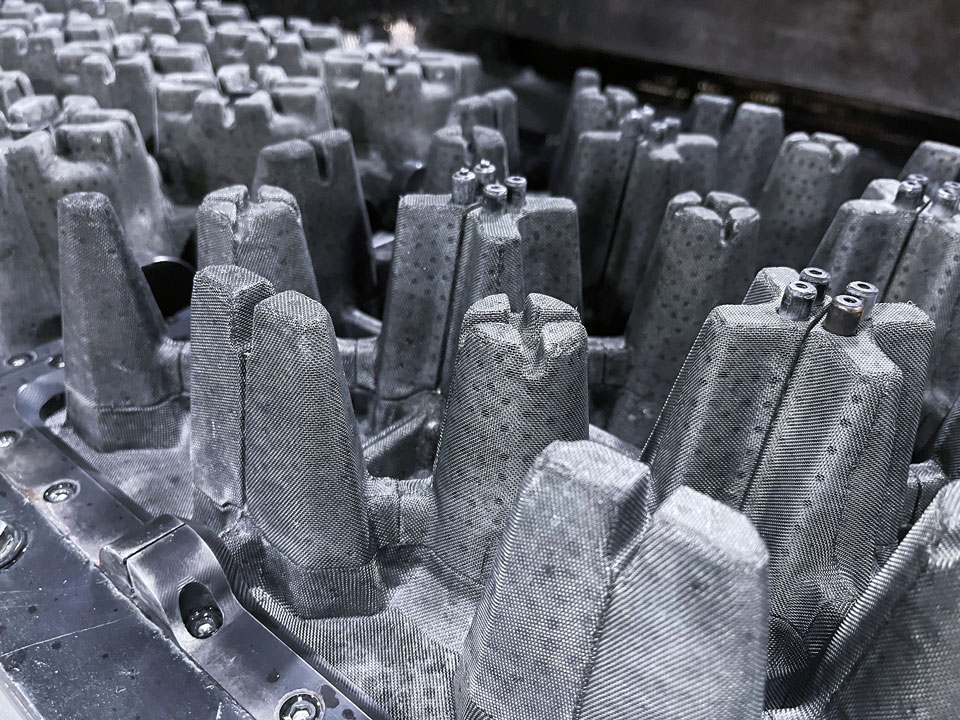
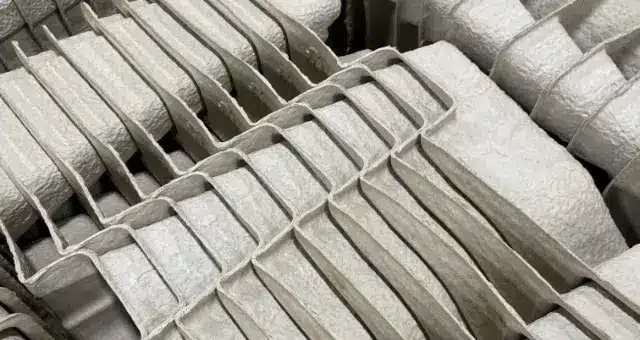
Learn more about why custom molded fiber packaging is the positive sustainable direction for the environment and your company’s EPR objective by contacting EnviroPAK today. Our molded fiber packaging is made from over 3,500 tons of recycled paper yearly and is the ideal sustainable, biodegradable and compostable solution to protect your products and your brand image.