


If 2025 was the year brands talked about shifting to sustainable packaging, 2026 is the year they’ll be expected to actually make that change. Between rising consumer scrutiny and new regulations reshaping the economics of materials and waste, packaging decisions are now quickly becoming high-stakes brand decisions, not just operational ones.
The good news: the trends emerging for 2026 aren’t vague ideals; they’re practical shifts brands can act on right now. One major driver is the regulatory changes associated with Extended Producer Responsibility (EPR). It’s growing throughout the United States and requires that brands be held accountable for sustainable packaging and the environment.
EPR momentum is backed in part by a 2025 study on consumer buying behavior by McKinsey & Company that indicates “Almost 70% of U.S. consumers believe that either brand owners or packaging producers should be held responsible for sustainability in packaging.”
Consumers will still be making eco-conscious buying decisions in 2026 as they demand product brands have an environmental mission for ensuring a healthy planet. This requires a packaging material shift to biodegradable and compostable materials such as molded fiber that EnviroPAK offers. Packaging Dive points out that “U.S. consumers still prefer non-plastic substrates for packaging and abandoning packaging sustainability is a serious strategic miscalculation … especially as regulation is now shaping economics at scale.”
Smaller is also becoming a big deal in 2026 for sustainable packaging. Known as right-sizing, this kind of packaging only uses the material needed for a “perfect product fit” so nothing goes to waste. Minimalism in packaging is a positive choice to meet new regulatory demands, sustainability targets and instantly delivers brand clarity on a crowded store shelf. Right-sizing is a packaging shift reflected in brands such as cosmetics, where industry insider Beauty Independent reports, “Recyclable components, refillable formats and packaging with a verified lower carbon footprint are moving from ‘nice to have’ to expected. The consumer is paying attention to what a brand puts the product in as much as what they put inside it.”
In this edition of the PULPit from EnviroPAK, we take a detailed look at right-sizing, EPR and the circular economy. These are three key trends that are literally shaping how packaging will look in 2026 and for the foreseeable future.
Right sizing. Less is more.
Right-sizing for packaging is more important than ever in 2026 for product brands because it uses less material, reduces “void fill” and improves cube efficiency across pallets and trucks. In addition, right-sizing translates into fewer shipments, lower transportation emissions and less packaging waste for customers to deal with. It’s a practical sustainability move with benefits that show up immediately in more efficient operations, a better customer experience and a positive environmental impact for our planet.
“Minimalist packaging design aligns naturally with eco-friendly packaging because it often reduces inks, coatings, and unnecessary secondary components, thereby simplifying recycling and improving the perception of responsibility. For packaging professionals, minimalism is not only an aesthetic choice but a way to reconcile regulatory demands, sustainability targets, and brand clarity in a crowded marketplace.”
Packaging World Insights
Another smart outcome of right-sizing is how it protects brand performance in a year when expectations are high and margins are tight. Right-sized packaging that uses EnviroPAK custom molded fiber can reduce damage rates and returns (because the product is more secure), shorten pack time as well as cut storage space by improving how packaging stacks and ships. It also supports compliance and retailer readiness as packaging rules and scorecards continue to evolve throughout the United States in 2026.
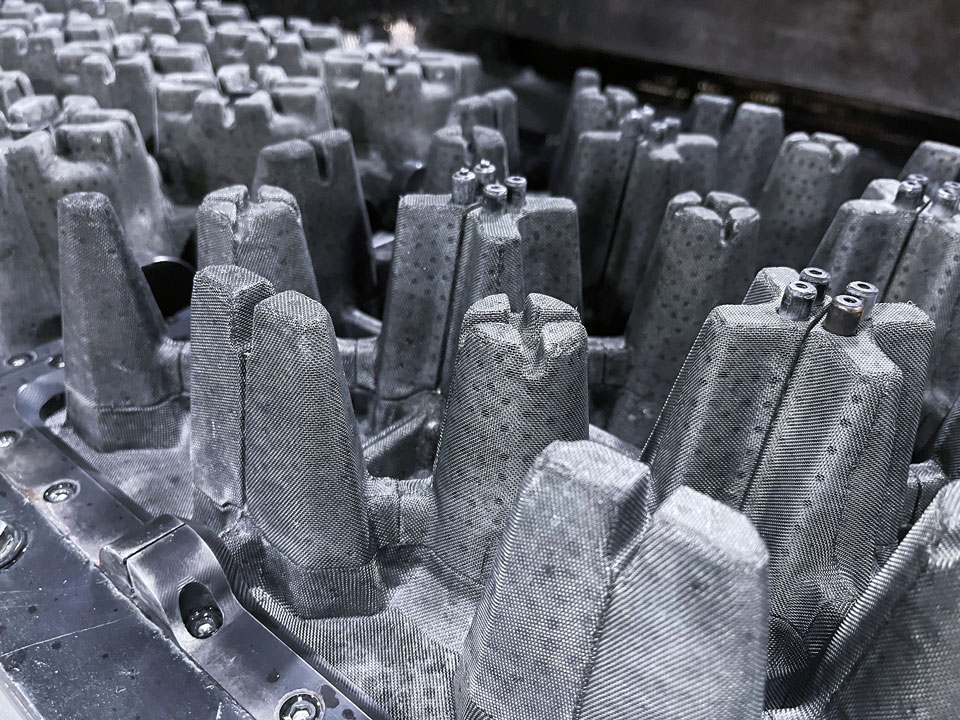
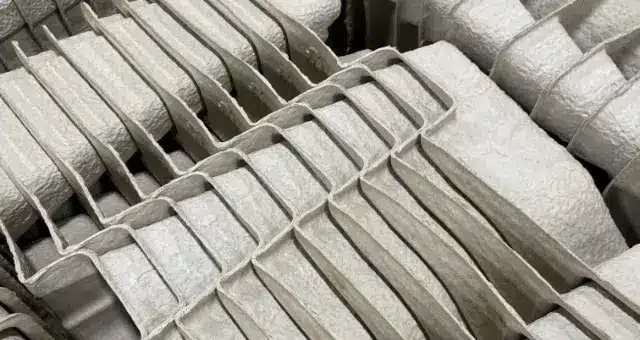
When your packaging is right-sized due to using less material, you’re doing more to protect your product, your bottom line and your brand image. EnviroPAK is the perfect fit to help you achieve your brand’s right-sizing goals. We’re an IMFA Type 2 molder that uses one forming mold and one transfer mold with a product wall thickness around 0.065” (1.7mm) for standard finishes. We also offer Type 4 after-pressed or hot-pressed molded fiber as a premium process for a tighter dimensional tolerance or for a more aesthetically pleasing look. EnviroPAK molded fiber packaging also holds dimensional tolerances of 3/16”.
“One of the most noticeable shifts heading into 2026 is the continued move toward efficiency-driven packaging. Companies are looking beyond material cost alone and focusing on how packaging performs across the entire operation. Right-sized cartons, consistent dimensions, and inserts that hold their shape are helping reduce pack time, improve stacking, and minimize damage during transit.”
Packaging Distributors of America
2026 is the year of EPR.
Extended Producer Responsibility (EPR) laws are quickly reshaping sustainability across the United States in 2026. These regulations are pushing brands to fundamentally rethink their product packaging. Under these state-by-state programs, brands must measure and report the packaging materials they use and pay fees that vary based on material type, amount and the environmental impact performance.
“As companies prepare for 2026, it is becoming clear that EPR systems are moving toward greater coordination and consistency. Regulators are also beginning to shift their expectations from basic disclosure to measurable performance. To achieve this, companies will need clear and detailed insights into their supply chains. Expectations surrounding reuse, recyclability and recycled content will become more visible and more quantifiable over the next year.”
RLG by Reconomy
In response, brands are rebuilding their sustainability strategies by redesigning packaging to improve recyclability, reusability and compostability to reduce exposure to EPR-related fees and meet EPR regulations. EnviroPAK works with brands on meeting these requirements that can be achieved in part with our custom molded fiber packaging.
With seven states now having EPR laws on the books, and a multitude of others states with active bills or assessments currently under review, packaging operation teams need to stay closely aligned to evolving timelines and deadlines to remain compliant. Embracing EPR is not a choice, it’s a must for companies to stay in compliance, avoid potential fines and is essential for sustainability packaging credentialing that the government and consumers demand.
“All companies in the packaging value chain will need to tailor their strategies to respond to the nuanced, evolving consumer views on sustainable packaging. Companies looking to build market share should consider action in four areas: understanding the granularity of consumer behavior, engaging the full packaging value chain, designing packaging to meet the full set of consumer needs and preferences, and prioritizing consumer education.”
McKinsey & Company
The circular economy:
It’s achievable with molded fiber packaging.
Achieving packaging circularity is important in 2026 because it keeps materials in a productive loop – all to ensure packaging protects your product and reduces waste. When packaging is designed to be recovered and used again (through reuse, recycling or biodegradation), less material ends up in landfills and oceans, plus less virgin material is required in the first place.
EnviroPAK believes that’s a positive change for the planet and for your brand image because “sustainable” becomes something your customers can see and feel at every touchpoint with our molded fiber packaging. Our custom molded fiber packaging material is European Green Dot Compliant, follows EPA procurement guidelines for recycled materials and is biodegradable so it breaks down into natural elements in a compost environment.
“Recyclability is the top factor for US consumers when they think about packaging sustainability: 77% consider it ‘extremely important’ or ‘very important’. Non-recyclable packaging can be defined as having no secondary life beyond its current use case. Today, much of the packaging produced cannot be recycled in existing recycling systems, contributing to a situation in which only a small portion of all packaging enters any kind of “circular economy.”
McKinsey & Company
Molded fiber packaging is built for circular systems and can improve material efficiency, reduce overall environmental impact and help brands stay ahead of shifting consumer and government expectations centered on responsible packaging. In other words: what’s good for the environment is also be good for your bottom line. It’s a practical, proven path toward packaging that’s designed for good.
Learn more about why EnviroPAK custom molded fiber packaging is the positive sustainable direction for the environment and your company’s 2026 EPR, right-sizing and circular economy objectives by contacting us today. Our molded fiber packaging is made from over 3,500 tons of recycled paper yearly and is the ideal sustainable, biodegradable and compostable solution to protect your products and your brand image.